
Farm Life — Rooted in the Past, Growing for the Future
For our family, farming has never been simply a business. It is part of who we are.
Our farm is rooted in generations of family and agricultural history in Harnett County. I grew up here when tobacco and dairy cattle were at the heart of farm life. Like most farm children of that time, I learned early that everyone had a job. I started as the "stick girl" at the tobacco barn, became a looper by age twelve, and eventually graduated to driving the tractor and pulling tobacco sleds between the field and barn. As a teenager, I even became a tobacco primer—a job not commonly given to girls at the time.
The dairy brought another set of chores: feeding and watering calves, cleaning the milking area, and occasionally getting up early on holidays to help my father milk when the regular milkers were off. There were horses to ride, fields to explore, family nearby, and a close-knit rural community surrounding us. Those experiences gave me an appreciation for farm life that never left me.
I eventually left the farm for college and a career that took me to Research Triangle Park for nearly four decades. But the land remained part of my life, and in 2015 I inherited a part of the family farm and began the process of bringing it back into active agricultural production.
Today, Hi-Lo Farms looks very different from the farm of my childhood, but its purpose remains much the same. We raise registered Black Angus cattle, grow hay, manage timberland, and continue restoring pastures that had gone largely unattended for decades. Farming has once again become part of the daily rhythm of this land.
And now another generation is adding its own chapter.
My daughter, Miranda, is developing a cut-flower enterprise on the farm. Fields that once supported tobacco and dairy cattle are becoming home to rows of celosia, zinnias, globe amaranth and other beautiful flowers. A greenhouse, flower beds and new growing areas are gradually changing the landscape and bringing new life and color to the farm.
There is something especially meaningful about watching the farm evolve once again. Each generation has had to find its own way to keep this land productive. What began as a traditional tobacco and dairy farm became a cattle and hay operation, and today flowers are becoming part of its future.
We think that is what a heritage farm is really about. It isn't about keeping everything exactly as it once was. It is about honoring the people who worked the land before us while giving the next generation the freedom to imagine what the farm can become.
The crops may change. The work may change. But the land—and our connection to it—continues.
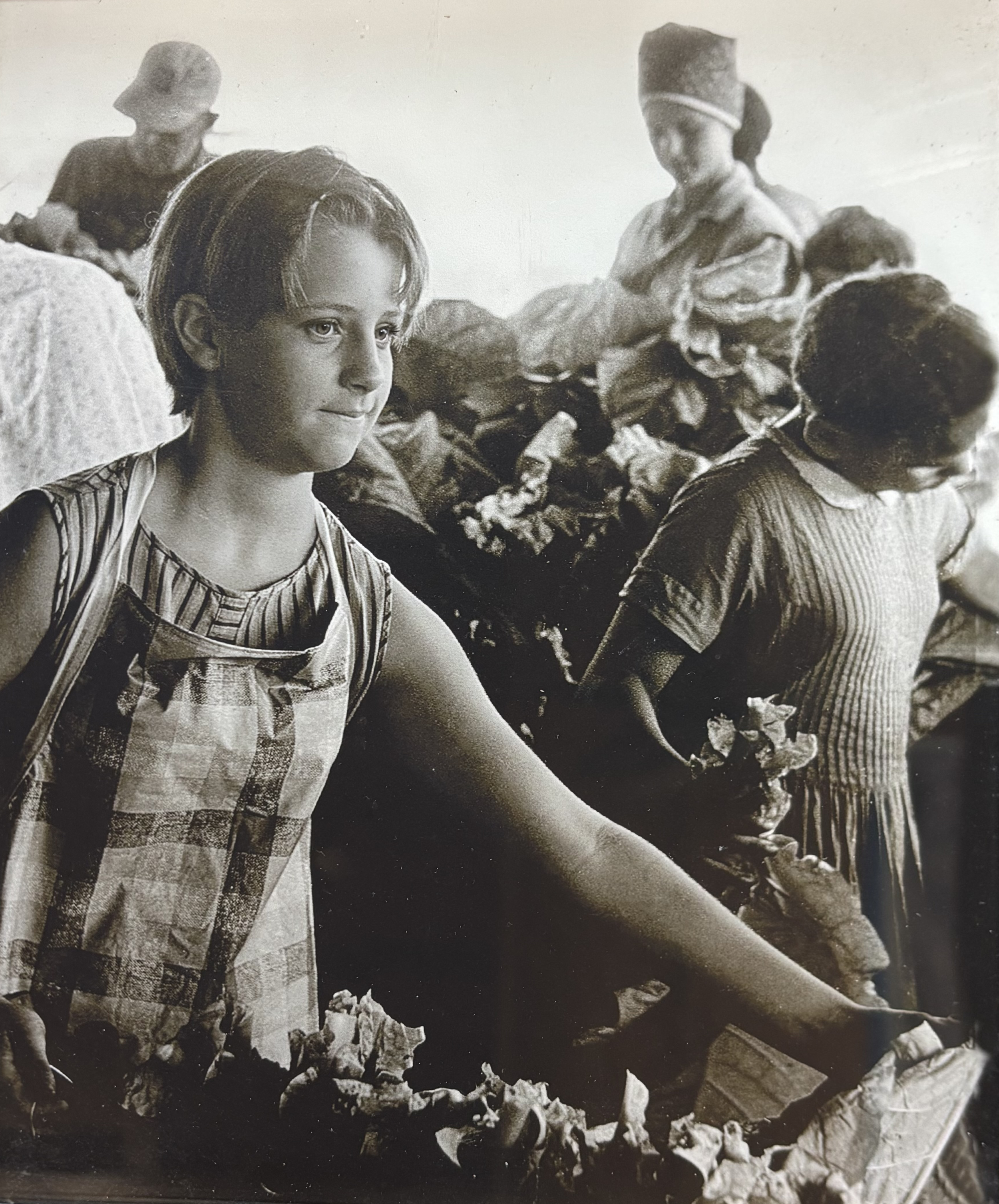
Working in the family tobacco barn as a young girl.
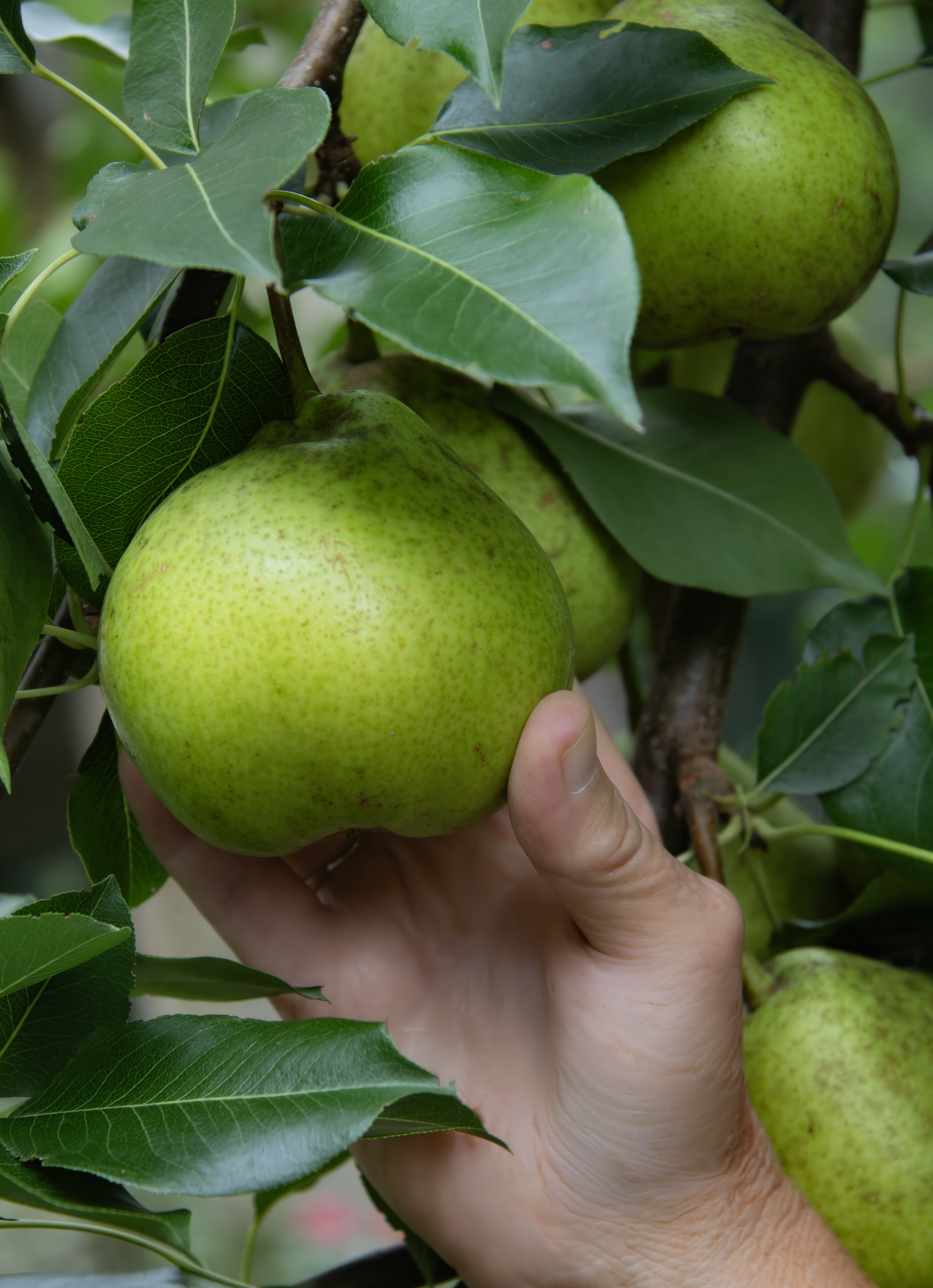
Homegrown Bartlett Pears
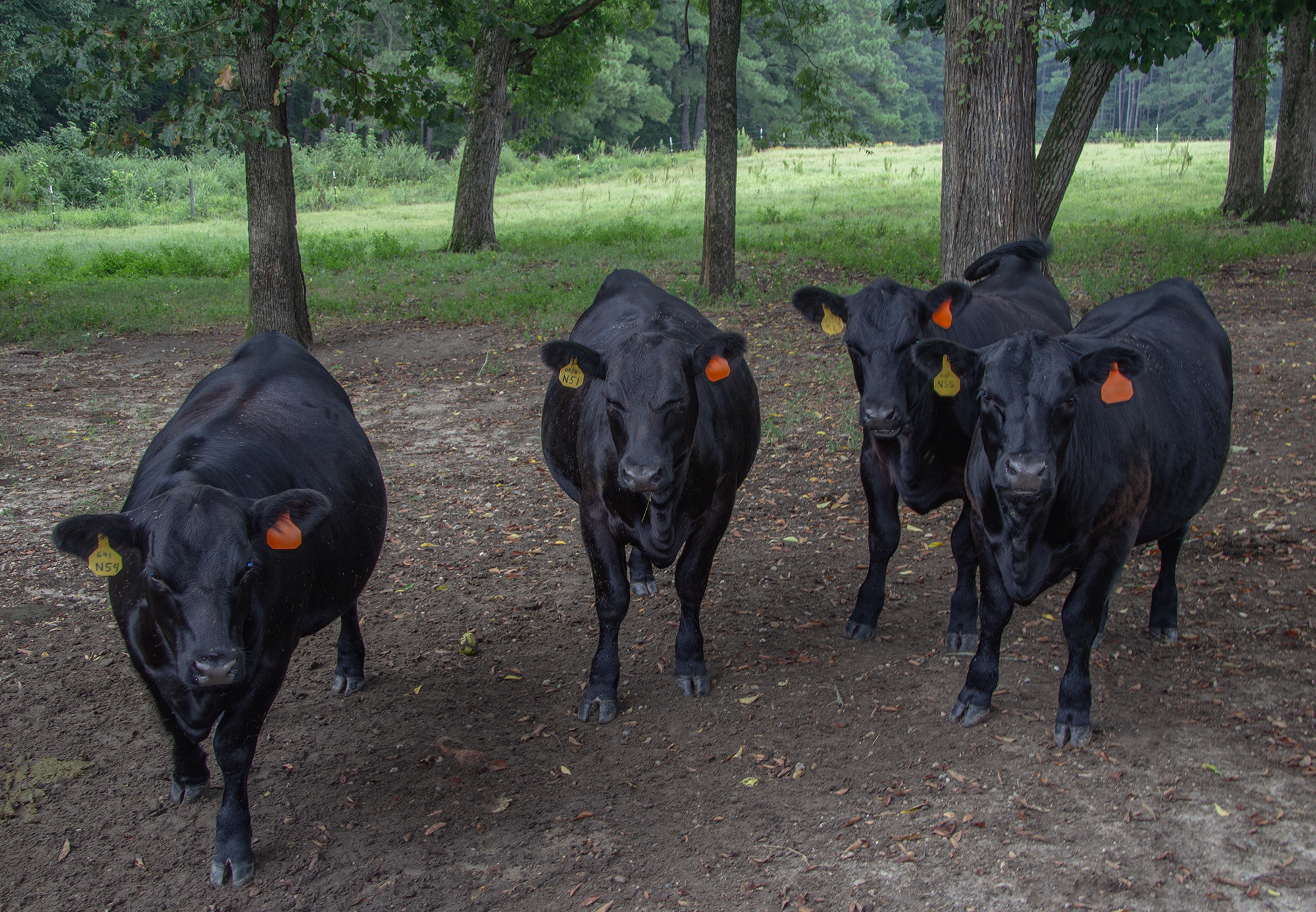
Prized Angus Beef Calves